

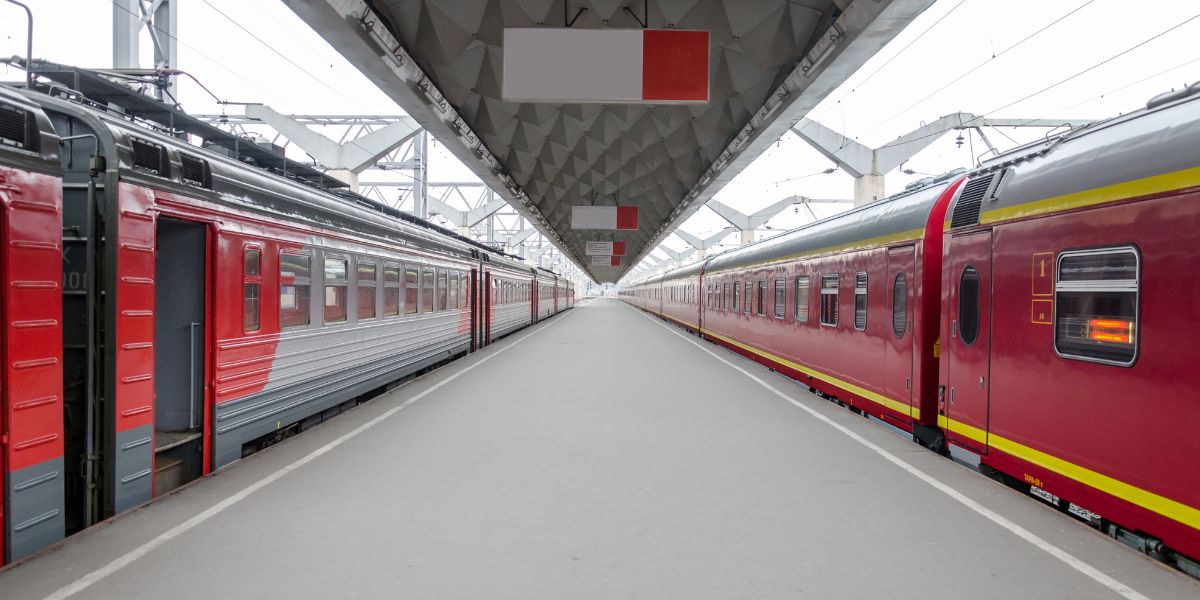
Travel experiences today are increasingly about more than simply reaching a destination. Many travelers are searching for meaningful experiences that combine history, scenery, culture, and storytelling into something memorable and immersive. This growing interest in experiential tourism has helped heritage railways regain popularity across Canada and around the world.
Historic rail journeys offer a rare opportunity to slow down and experience travel in a way that feels connected to the past. The sound of the locomotive, the scenery passing through the windows, and the atmosphere of restored railway cars create experiences that feel very different from modern transportation.
For many visitors, heritage railways are not only tourist experiences — they are living pieces of history.
The Historical Importance of Railways in Western Canada
Railways played a major role in shaping communities and economic growth throughout British Columbia and the rest of Canada. Rail lines once connected remote regions, supported trade and agriculture, and helped communities grow across difficult terrain.
The historic Kettle valley steam railway represents an important part of this legacy, preserving both the engineering history and cultural significance of railway transportation in the Okanagan region.
Experiences like these help modern visitors better understand how rail systems influenced travel, industry, and community development throughout Canada’s history.
Why Heritage Tourism Continues Growing
Many travelers today are looking for experiences that feel authentic and educational rather than overly commercialized.
Heritage tourism allows visitors to connect with local culture, architecture, transportation history, and regional storytelling in meaningful ways. Historic attractions often create stronger emotional connections because they combine entertainment with historical preservation.
Families, photographers, history enthusiasts, and tourists alike are increasingly drawn to destinations that offer immersive experiences connected to the past.
The Scenic Beauty of Railway Travel
One of the most appealing aspects of heritage railways is the opportunity to experience landscapes at a slower and more immersive pace.
Rail travel allows passengers to enjoy panoramic views that are often missed during highway travel. Rolling hills, forests, vineyards, mountains, and historic bridges become part of the experience itself rather than simply scenery passing in the background.
This is especially true for routes connected to the Okanagan region, where dramatic landscapes and seasonal beauty create memorable sightseeing opportunities throughout the year.
The Connection Between Tourism and Local Communities
Heritage attractions often contribute significantly to local tourism and economic activity. Visitors traveling to railway attractions frequently explore nearby wineries, restaurants, shops, accommodations, and regional landmarks during their trip.
Historic tourism experiences also help preserve local identity while supporting small businesses and cultural organizations within surrounding communities.
This connection between tourism and local heritage helps strengthen regional economies while encouraging ongoing preservation efforts.
Photography and Scenic Exploration
Heritage railways are especially popular among photographers and sightseeing enthusiasts because of their combination of vintage equipment and scenic surroundings.
Steam locomotives, historic railcars, bridges, and landscapes create visually distinctive experiences that attract visitors interested in photography and outdoor exploration.
The slower pace of railway travel also allows passengers to appreciate details that might otherwise be overlooked during faster-paced tourism experiences.
Why Families Enjoy Heritage Railway Experiences
Heritage railways often appeal to visitors of all ages. Children are drawn to the excitement of riding historic trains, while adults appreciate the historical atmosphere and scenic experience.
For many families, railway excursions provide opportunities to share educational experiences together while creating lasting memories.
The combination of storytelling, history, and scenery creates experiences that feel both entertaining and meaningful across generations.
The Importance of Preserving Railway History
Historic railways represent important pieces of transportation and cultural history that might otherwise disappear over time.
Preservation organizations and heritage attractions help maintain locomotives, railcars, stations, and infrastructure that reflect important periods of Canadian development and engineering.
Supporting heritage railway experiences helps ensure these historical resources continue being maintained and appreciated by future generations.
The Role of Volunteers and Community Support
Many heritage railway organizations rely heavily on volunteers, local support, and preservation efforts to maintain operations and restore historic equipment.
These community-driven efforts often reflect a strong passion for preserving regional history and sharing it with visitors.
The dedication behind heritage railway preservation plays a major role in creating authentic and educational experiences for travelers.
Exploring Regional Attractions Through Railway Tourism
Travelers increasingly seek experiences that combine scenic exploration with cultural and historical value.
Attractions connected to Heritage & History provide opportunities for visitors to experience local stories and landscapes in more immersive ways than traditional sightseeing alone.
Historic rail journeys often become highlights of broader regional tourism experiences that include wineries, outdoor recreation, photography, and community events.
The Value of Authentic Travel Experiences
Many modern travelers are looking for experiences that feel slower, more meaningful, and more connected to local culture.
Historic railways provide a unique alternative to fast-paced tourism by encouraging visitors to enjoy scenery, storytelling, and historical atmosphere without rushing from one destination to another.
Experiences connected to Tourist Attractions rooted in history and preservation often create stronger emotional memories because they feel authentic and timeless.
The Future of Heritage Tourism
As experiential tourism continues growing, heritage railways will likely remain important cultural attractions for travelers seeking meaningful and educational experiences.
Historic railway organizations continue adapting through restoration efforts, community partnerships, seasonal events, and tourism initiatives designed to attract new generations of visitors.
By combining scenic beauty, historical preservation, and immersive storytelling, heritage railway experiences continue helping travelers connect with the landscapes and stories that shaped communities across Canada.